
In today’s fast-paced construction and industrial sectors, the demand for efficient, flexible, and comfortable housing solutions for on-site workers has never been greater. Labor camps, traditionally viewed as makeshift accommodations, often fail to provide the necessary comfort and amenities required by today’s workforce. Lida Group, a leader in modular construction, is revolutionizing these spaces with innovative modular houses designed specifically for on-site workers. This article explores how Lida Group’s modular houses are transforming labor camps into thriving living environments, the benefits of these solutions, and the impact on worker satisfaction and productivity.
Understanding Modular Houses
What Are Modular Houses?
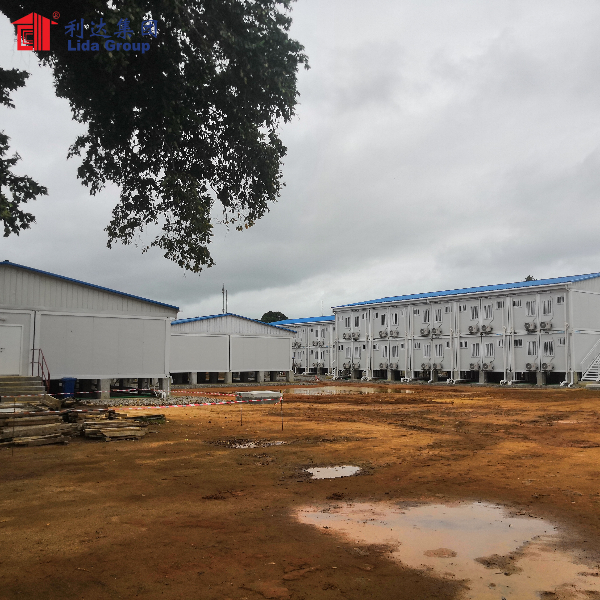
Modular houses are prefabricated structures built in sections or “modules” in a factory setting before being transported and assembled on-site. This method contrasts with traditional construction, where homes are built entirely on-site, often resulting in longer timelines and higher costs. Modular houses can be designed for various purposes, including residential, commercial, and, as in the case of Lida Group, labor accommodations.
The Rise of Modular Housing Solutions
The increasing demand for modular housing solutions stems from several factors:
- Rapid Deployment: Modular houses can be constructed and deployed quickly, making them an ideal solution for urgent housing needs on construction sites or remote work locations.
- Cost-Effectiveness: The streamlined manufacturing process often results in lower costs compared to traditional building methods, allowing companies to allocate resources more efficiently.
- Sustainability: Modular construction generates less waste and can utilize eco-friendly materials, aligning with growing environmental concerns.
- Customization: Modular houses can be tailored to meet specific needs, offering various layouts, amenities, and finishes that cater to the lifestyle of on-site workers.
Benefits of Lida Group’s Modular Houses for Labor Camps
1. Enhanced Worker Comfort
Traditional labor camps often lack basic comforts, leading to dissatisfaction among workers. Lida Group’s modular houses prioritize comfort, featuring:
- Modern Amenities: Equipped with essential facilities such as kitchens, bathrooms, and living areas, these modular homes provide a homelike environment.
- Quality Furnishings: Thoughtfully designed interiors with quality furnishings promote a sense of well-being and relaxation after long work hours.
- Personal Space: Individual or shared units allow workers to have personal space, which is crucial for mental health and overall job satisfaction.
2. Improved Productivity
A comfortable living environment directly impacts worker productivity. Studies have shown that satisfied workers are more productive and engaged. By providing high-quality modular housing, companies can experience:
- Reduced Turnover Rates: Workers are less likely to leave a job if they feel comfortable and valued. Modular houses help reduce turnover, saving companies time and resources on recruitment and training.
- Increased Morale: A positive living environment fosters teamwork and collaboration, leading to improved morale and productivity on-site.
3. Cost Efficiency for Employers
Investing in modular houses can lead to significant cost savings for employers:
- Lower Construction Costs: The factory-based construction process reduces labor costs and material waste, making modular housing more economical compared to traditional labor camps.
- Reduced Maintenance Costs: Modular houses are built with durable materials, resulting in lower maintenance and repair needs over time.
- Efficient Resource Allocation: By providing quality housing, companies can focus their resources on core operations rather than worrying about worker accommodations.
4. Sustainable Living Solutions
Lida Group emphasizes sustainability in its modular housing designs:
- Eco-Friendly Materials: The use of sustainable materials reduces the environmental impact of construction.
- Energy Efficiency: Modular houses can be designed with energy-efficient features, such as proper insulation and energy-efficient appliances, leading to lower utility costs for both workers and employers.
- Waste Reduction: The controlled factory environment minimizes waste production compared to traditional building methods, contributing to a more sustainable industry.
5. Flexibility and Scalability
Modular houses offer unparalleled flexibility in design and deployment:
- Adaptable Designs: Lida Group can customize modular houses to fit various site requirements, ensuring that the housing meets the specific needs of different projects.
- Scalable Solutions: As project needs change, additional modular units can be added or removed without significant disruptions, allowing companies to scale their housing solutions efficiently.
Lida Group’s Approach to Modular Houses
1. Comprehensive Design Services
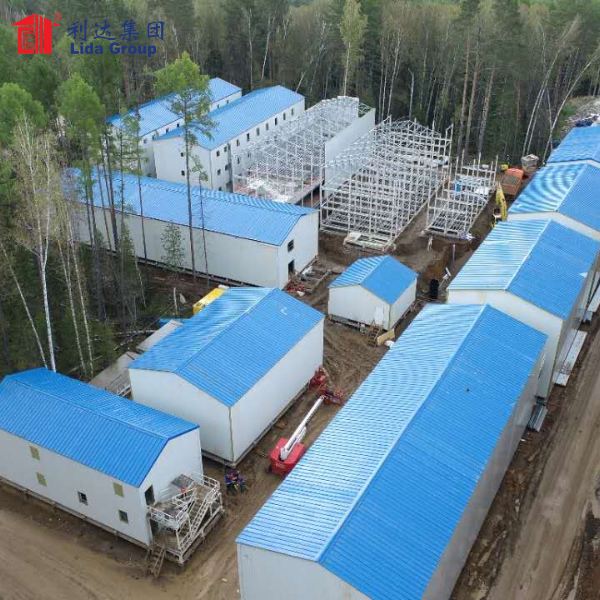
Lida Group offers extensive design services to create modular houses tailored to the specific needs of on-site workers. Their design process includes:
- Initial Consultation: Understanding the unique requirements of the project, including the number of workers, site conditions, and desired amenities.
- Custom Layouts: Creating layouts that maximize space and functionality while ensuring comfort and privacy for residents.
- Interior Design Options: Providing a range of finishes and furnishings that cater to different tastes and budgets.
2. Quality Construction Standards
Lida Group prioritizes quality in every aspect of modular house construction:
- Factory-Based Manufacturing: Building in a controlled environment ensures consistency and quality control, reducing the likelihood of construction errors.
- Durable Materials: Utilizing high-quality materials that withstand the rigors of daily use and environmental conditions ensures long-lasting housing solutions.
3. Efficient Project Management
Lida Group’s experienced project management team oversees every stage of the modular house deployment process:
- Logistics Coordination: Managing transportation and assembly logistics to ensure timely delivery and installation of modular units.
- On-Site Assembly: Coordinating skilled labor for efficient on-site assembly, minimizing disruptions to ongoing projects.
- Compliance and Safety: Ensuring that all modular units meet local building codes and safety regulations.
Case Studies: Successful Transformations of Labor Camps
Case Study 1: Construction Site Housing
Lida Group was contracted to provide modular housing for a large construction project in a remote location. The project involved:
- Designing Comfortable Units: Lida Group created a series of modular houses, each equipped with private bedrooms, bathrooms, and communal living areas.
- Rapid Deployment: The modular units were manufactured in advance and transported to the site, allowing for quick assembly and immediate occupancy.
- Positive Impact: Worker satisfaction increased significantly, leading to improved morale and productivity on-site.
Case Study 2: Industrial Worker Accommodations
In another project, Lida Group transformed a traditional labor camp for workers at a manufacturing facility:
- Upgrading Facilities: The outdated labor camp was replaced with modern modular houses featuring contemporary amenities and communal spaces for socializing.
- Enhanced Living Conditions: Workers expressed increased satisfaction with their living conditions, which contributed to lower turnover rates and higher productivity.
- Long-Term Partnership: The successful transformation led to a long-term partnership between Lida Group and the manufacturing company for future housing needs.
The Future of Modular Housing for Labor Camps
1. Increasing Demand for Quality Worker Housing
As industries expand and new projects arise, the demand for quality worker housing will continue to grow. Companies are recognizing the importance of providing comfortable living conditions to attract and retain skilled labor.
2. Technological Innovations
Advancements in modular construction technology will further enhance the appeal of modular houses. Innovations such as smart home technology, energy-efficient systems, and sustainable materials will create even more desirable living environments for workers.
3. Government Support for Affordable Housing Solutions
Governments worldwide are increasingly focusing on addressing housing shortages, particularly for low- and middle-income workers. Policies that promote modular housing solutions for labor camps may lead to greater acceptance and investment in these innovative living arrangements.
4. Customization and Personalization Trends
As the workforce becomes more diverse, the need for personalized living spaces will grow. Modular housing solutions will evolve to offer more customization options, catering to various cultural and lifestyle preferences.
Conclusion
Lida Group’s modular houses represent a transformative solution for labor camps, providing comfortable, sustainable, and efficient living environments for on-site workers. By prioritizing worker comfort and satisfaction, Lida Group not only enhances the quality of life for employees but also contributes to increased productivity and reduced turnover for employers.
As the demand for innovative housing solutions continues to rise, Lida Group stands at the forefront of this movement, offering expertise in design, construction, and project management. The future of labor camps lies in the hands of companies like Lida Group, where modular housing is not just a temporary solution but a long-term investment in the well-being of the workforce.
By embracing modular housing for labor camps, companies can create thriving living environments that promote employee satisfaction and productivity, ultimately leading to successful project outcomes and a more sustainable future in the construction and industrial sectors.
Contact Us
Post time: Jan-30-2025